
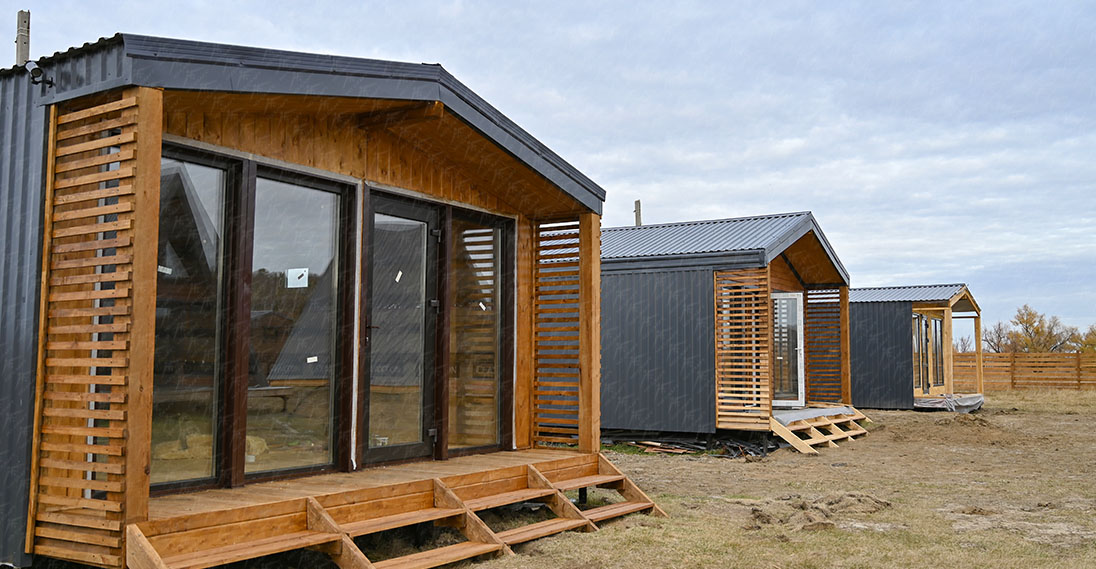
As the building industry advances, more people and organizations are reconsidering how homes and workplaces are constructed. One of the most significant changes has been the increasing popularity of prefabricated modular structures—an innovative alternative to traditional building methods. With rising building costs, labor constraints, and a growing awareness of sustainability, many people are comparing the advantages of prefab homes vs traditional brick-and-mortar construction. So, which one is best for you? Let’s look at the differences, benefits, and limitations of each so you can make an informed selection.
What Are Prefabricated Houses?
Prefabricated homes, commonly referred to as prefab or modular homes, are constructed off-site in a controlled environment utilizing current construction techniques. Once built, these buildings are transported and put at their final location.
HD Craft, a prominent porta cabin manufacturer in Noida, specializes in developing and manufacturing portable cabins, PUF panel structures, and custom modular buildings that are durable, flexible, and affordable.
Advantages of Prefabricated Modular Structures
1. Speed of Construction
The ability to build prefabricated homes quickly is one of its most significant advantages. Unlike traditional homes, which can take months or even years to build, prefabricated modular structures can be ready in a matter of weeks.
2. Cost-Effective
Modular dwellings save labor expenses and material waste. Furthermore, off-site building enables better resource planning and budget control. If you search for “portable cabin manufacturers near me,” you’ll likely discover that prefab possibilities are less expensive than their brick-and-mortar counterparts.
If you live in the NCR region, engaging with an experienced porta cabin manufacturer in Delhi NCR like HD Craft means having access to economical, high-quality housing solutions without sacrificing style or durability.
3. Environmentally Friendly
Prefab construction generates substantially less waste and frequently employs environmentally friendly materials such as PUF panels (Polyurethane Foam panels), which provide greater insulation and energy efficiency.
As reputable PUF panel manufacturers in Noida and Delhi NCR, we’ve noticed a growing interest for such environmentally friendly solutions among both residential and commercial consumers.
4. Customizability
Contrary to popular belief, modular homes can be customized to meet your exact requirements, whether it’s a little office space, a charming guest cottage, or a multi-room family home.
Traditional Homes: The Classic Choice
Traditional homes are built entirely on-site using materials like bricks, cement, steel, and concrete. These structures have stood the test of time and remain a popular choice for many homeowners.
Pros of Traditional Homes:
Design Freedom: You have complete control over design and layout.
Perceived Value: Traditional homes often hold higher resale value in certain markets.
Sturdiness: Built with heavy-duty materials for long-term durability.
Cons:
-
- Longer Construction Time
- Higher Costs
- Susceptibility to Weather Delays
- More On-Site Labor and Wastage
So, Which is Right for You?
Choose Prefabricated If:
- You’re on a tight timeline or budget
- You want eco-friendly, energy-efficient solutions
- You’re looking for portable or temporary housing
- You want to avoid the mess of on-site construction
At HD Craft, a porta cabin manufacturer in Delhi NCR, we offer prefab solutions that cater to both residential and commercial needs — from guard cabins and site offices to modular homes.
Why HD Craft?
Final Thoughts